Features: Face ID, UWB 2, 5G support, Emergency SOS
Storage: Up to 1TB NVMe
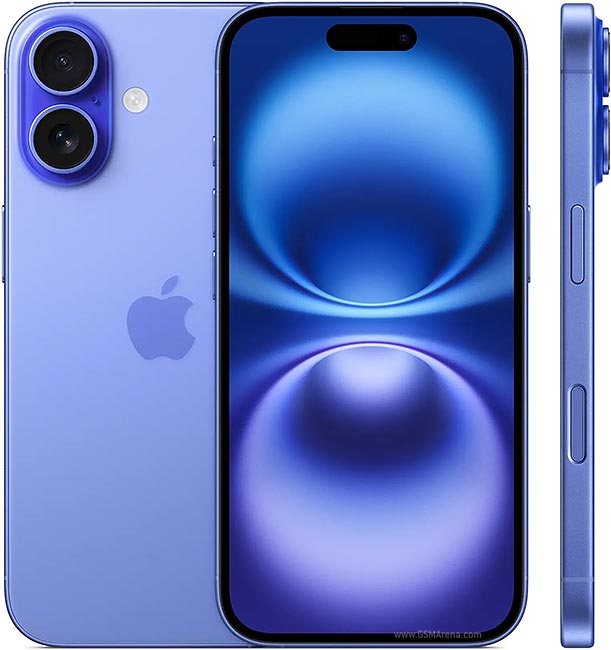
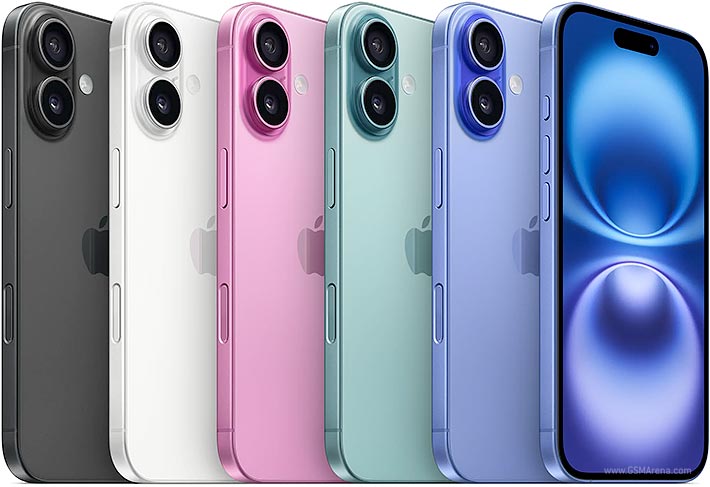
📱 iPhone 16 – Expected Specs & Features
Feature
Details
Display
6.3-inch OLED
Processor
A18 Bionic
RAM
8GB
Storage
128GB, 256GB
Camera
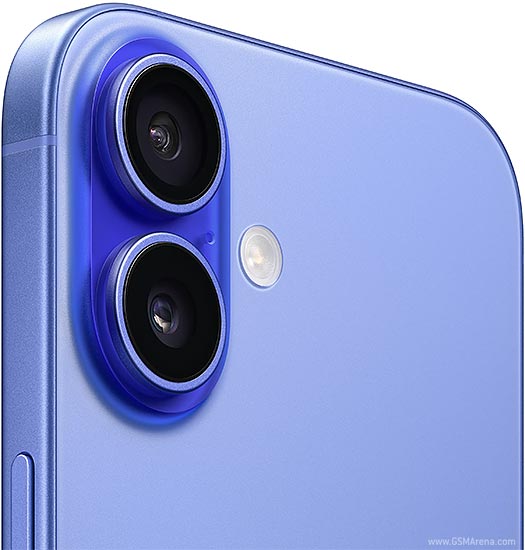
Dual Rear (48MP + 12MP)
Front Camera
12MP
Battery
3500 mAh
OS
iOS 18
Price
$829.99
/* Antoto */
iPhone 16 Series AnTuTu v10 Benchmark Scores (Official)
Model
Chipset
Overall Score
CPU
GPU
Memory
UX
iPhone 16
Apple A18
1,764,170
449,863
712,145
231,053
371,109
iPhone 16 Plus
Apple A18
1,764,170
449,863
712,145
231,053
371,109
iPhone 16 Pro
Apple A18 Pro
1,747,550
454,365
647,135
290,212
355,838
iPhone 16 Pro Max
Apple A18 Pro
1,774,620
474,300
646,461
292,188
361,671
iPhone 16 Pro – Disadvantages You Should Know (U.S. Buyers Guide)
High Price Tag:
The iPhone 16 Pro starts at $999 for the base model. While premium, it may be cost-prohibitive for many users compared to high-end Android phones offering similar specs at lower prices.
Incremental Upgrades for Some Users:
For users upgrading from iPhone 15 Pro, the changes (e.g., 5x zoom, 48MP Ultra-Wide, A18 Pro) might feel modest. The design also remains familiar.
Slower Charging Compared to Android:
Even with improvements, charging speeds of around 20–27W lag far behind Android flagships with 80W–120W fast charging.
Apple Intelligence Rollout Limitations:
Some iOS 18 AI features may launch in beta or be region-restricted (U.S. only, English only). Not all users get the full Apple Intelligence experience immediately.
Walled Garden Ecosystem:
iOS still limits app sideloading and customizations compared to Android. Users switching from Android might find iOS more restrictive.
128GB Base Storage:
The Pro model still starts at 128GB, which can be limiting for high-res photos, 4K ProRes video, and spatial content. No support for expandable storage.
Increased Size & Weight:
Slightly larger at 6.3 inches and heavier at 199g (vs. 187g on iPhone 15 Pro). May not suit users preferring lighter phones.
Ultra-Wide Camera Still Lags in Low Light:
Despite the new 48MP upgrade, the Ultra-Wide camera may underperform in low-light versus top Android competitors in this segment.
The iPhone 16 Pro: A Deep Dive into Its Disadvantages (Post-Launch Review)
Launch Overview: The iPhone 16 Pro, launched in September 2024, stands as a testament to Apple's engineering prowess, packing the cutting-edge A18 Pro chip, an upgraded camera system, and a more immersive display. While it undoubtedly offers a premium smartphone experience, no device is without its compromises. Here's an in-depth look at the cons of the iPhone 16 Pro:
The Prohibitive Price Tag
The iPhone 16 Pro starts at a premium price of $999 (U.S.), and is even more expensive in markets like India. Comparable Android devices may offer similar specs for less, making the 16 Pro a luxury rather than an accessible upgrade.
Incremental, Not Revolutionary, Upgrades
For iPhone 15 Pro users, the jump feels subtle. The A18 Pro and display tweaks are strong on paper but feel similar in everyday usage, making annual upgrades feel unnecessary.
Charging Speeds Lag Behind Competition
Despite USB-C adoption, Apple still sticks to 20–27W wired charging, while Android rivals offer 80W–120W, fully charging phones in under 30 minutes.
Apple Intelligence: The "Coming Soon" Factor
Key AI features were limited at launch—often region-restricted to the U.S., English-only, or in beta. Global users might feel left behind initially.
The Enduring "Walled Garden" Philosophy
iOS remains a tightly controlled system. Limited sideloading and customization can feel restrictive for users used to Android’s openness.
Base Storage May Not Be "Pro" Enough
The base 128GB is tight for Pro-level features like 48MP and ProRes video. With no microSD slot, users must upgrade to higher storage tiers at extra cost.
Subtle Increase in Size and Weight
The move from 6.1" to 6.3" and 187g to 199g makes the 16 Pro slightly bulkier, which might not appeal to fans of compact phones.
Conclusion:
The iPhone 16 Pro delivers exceptional hardware and software synergy, but it’s not without flaws. Budget-conscious buyers, Android switchers, or frequent upgraders may find its downsides worth considering. Ultimately, it’s a decision between brand value and personal priorities.
Sepsis: What It Is, Why It Happens, and Why Early Action Matters Most of us trust our immune system without thinking about it. It works quietly in the background, protecting us from infections every single day. Usually, it does its job well. But in some situations, the body’s defense system can react too strongly and that overreaction can become life-threatening. This condition is called sepsis . Sepsis is not an infection by itself. It happens when the body responds abnormally to an infection and starts harming its own tissues and organs. Instead of controlling the problem, the immune system creates widespread inflammation that can quickly get out of control. Sepsis is more common than many people realize. Millions of people worldwide are affected every year, and many lives are lost simply because the warning signs were missed or treatment was delayed. Knowing what sepsis looks like can truly save a life maybe even your own or someone close to you. What Exactly Is Sepsis? ...
What is life insurance? Life insurance is a contract in which a policyholder pays premiums in exchange for a lump sum death benefit payable to policy beneficiaries. The lump sum benefit is paid when the policyholder either dies or a certain time has passed. Life insurance policies can help provide financial security by replacing lost income and covering expenses. If you're looking for a life insurance policy, we've got you covered. GEICO Insurance Agency, LLC has teamed up with partners to offer affordable life insurance options to meet your family's needs. Get a life insurance quote online or call us at (888) 532-5433 to get the peace of mind knowing your loved ones will be protected. What do you need to start a life insurance quote? Know how much debt is outstanding on things like mortgages, loans, etc. Specific information about medical conditions Income level and occupation Common medical information you may be asked about includes height, weight, blood pre...
Contents [ hide ] Collection of Urin Sample There are three method of collection of urine Random collection Timed collection 24 hour urine sample 1. Random collection Random sample of urine is collected at anytime of the day. This sample is prefer for protein analysis. 2. Timed collection Timed collection is obtained at specific time of the day or during specific phase of nuituration Ex :- Glucose tolerance test 3. 24 hour collection This collection is used for all the clinically important biomolecules in urine sample with excepting fasting urine sample. Urine analysis Test for Glucose Benedict's qualitative test- Take 5ml benedict qualitative reagent then add 8 drops of Urine Sample boil the sample Blue Colour > nil > Glucose absent Green colour > 0.5gm% > Glucose Present Yellow colour > 1gm% > Glucose Present Orange Colour > 1.5gm%> Glucose Present Red Colour > 2 or more gm% Glucose Present Pr...


Comments
Post a Comment
Thanks to Come on Comment section